

How Is Huajuhong Made? From Fresh Pummelo Peel to Dried Herb
How Is Huajuhong Made? This is a common question for consumers, tea businesses, retailers, and wholesale buyers who want to understand how fresh pummelo peel becomes a stable dried botanical product. The process involves much more than simply leaving fresh peel in the sun. How Is Huajuhong Made depends on raw material selection, cleaning, preparation, drying, grading, inspection, packaging, and storage.
Huajuhong is traditionally associated with Huazhou, Guangdong, and is known as a distinctive dried citrus botanical. How Is Huajuhong Made is closely connected with the characteristics of the raw material and the processing methods used after harvesting. A controlled process helps maintain a clean appearance, natural citrus aroma, suitable dryness, and consistent product quality.
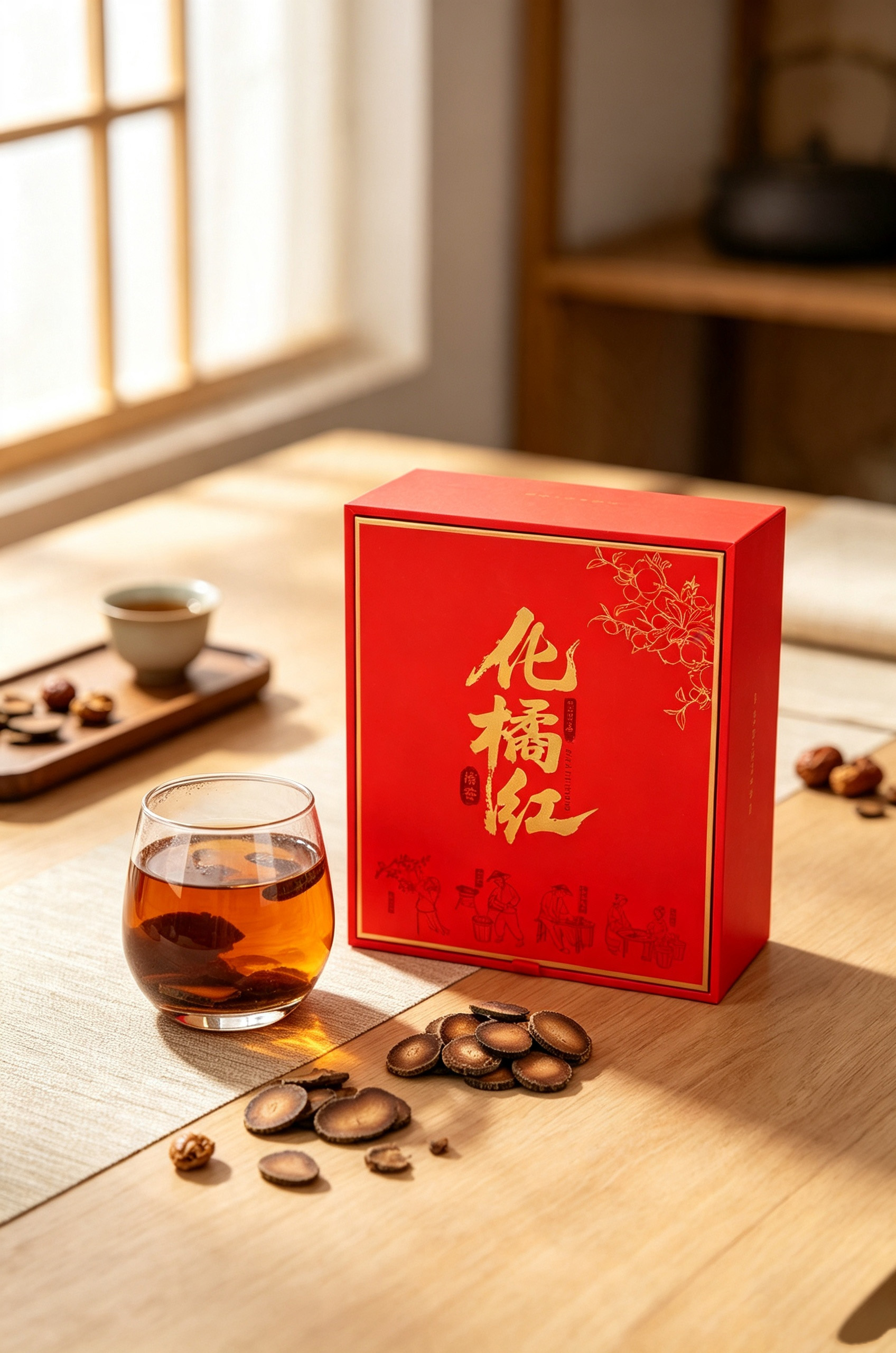
Before asking How Is Huajuhong Made, it helps to understand what Huajuhong actually is. Huajuhong is a traditional dried citrus botanical associated with a specific pomelo type and the Huazhou production area. It can be prepared in whole-fruit, peel, sliced, aged, and other formats depending on the processing method and intended application.
How Is Huajuhong Made can therefore describe slightly different production routes. Some products retain a complete fruit shape, while others are cut into pieces or slices before drying. Regardless of the format, the fundamental purpose of processing is to convert fresh botanical material into a clean, stable, manageable dried product.
For consumers, understanding How Is Huajuhong Made makes it easier to evaluate product quality. For commercial buyers, it also helps explain why raw material selection, drying control, grading, packaging, and storage can influence the final product.
How Is Huajuhong Made? The basic production process can be described as a series of connected steps: selecting suitable fresh material, cleaning the material, preparing the peel or fruit, drying under controlled conditions, grading the dried product, checking quality, and packaging it for storage and transportation.
The first stage of How Is Huajuhong Made begins with the raw material. Fresh pummelo material should be suitable for processing, clean, mature enough for the intended product, and free from obvious deterioration. Raw material selection is important because drying cannot turn poor-quality material into High-Quality Huajuhong.
After selection, the material is cleaned and prepared. Depending on the desired product format, the fruit may be processed as a whole or the peel may be separated and cut. How Is Huajuhong Made at this stage depends on whether the final product is intended to be a whole fruit, thick peel piece, slice, or another commercial format.
The first practical answer to How Is Huajuhong Made is careful material selection. Fresh pummelo should have suitable appearance and condition before entering the production process. Damaged, excessively deteriorated, contaminated, or otherwise unsuitable material should be removed during sorting.
Fresh pummelo peel contains moisture and natural citrus components, so it requires appropriate handling before drying. How Is Huajuhong Made begins with protecting the raw material from unnecessary contamination and physical damage during harvesting, transportation, and initial processing.
For commercial production, raw material selection should follow a defined specification. Factors can include fruit maturity, appearance, cleanliness, size, freshness, and intended processing format. This makes How Is Huajuhong Made more consistent from one production batch to another.
After selection, cleaning is an essential part of How Is Huajuhong Made. Fresh pummelo material may carry dust, soil, plant residues, or other surface contaminants from harvesting and transportation. Proper cleaning helps prepare the material for subsequent processing.
The cleaning process should be carried out in a controlled production environment. Equipment, working surfaces, containers, and handling areas should also be maintained appropriately. How Is Huajuhong Made is not only about drying the peel; cleanliness throughout the production process is equally important.
After cleaning, the material should be handled carefully to avoid unnecessary damage. Excess surface water should also be managed before the drying stage. Good preparation makes the following stages of How Is Huajuhong Made easier to control.
How Is Huajuhong Made changes slightly according to the desired product format. If a whole-fruit product is required, the complete fruit may be processed without cutting it into small pieces. If a sliced product is required, the peel can be prepared into pieces of a defined size and thickness.
Cutting and preparation should be reasonably consistent. Uniform pieces generally dry more evenly than pieces with widely different thicknesses. Therefore, How Is Huajuhong Made for sliced products requires attention to cutting size, thickness, and shape.
For commercial tea products, consistent slices can also make portion control easier. A buyer can use a more predictable amount of material in each tea blend or serving. This is one reason processing consistency matters when considering How Is Huajuhong Made from a commercial perspective.
Drying is one of the most important stages when answering How Is Huajuhong Made. Fresh pummelo peel contains substantial moisture, while the finished product needs to be sufficiently dry for stable storage and handling. The drying stage gradually reduces moisture while helping preserve the characteristic physical and aromatic properties of the material.
Traditional drying may involve natural air or sunlight under suitable environmental conditions. Modern processing may use controlled drying equipment to provide more consistent conditions. How Is Huajuhong Made therefore depends partly on the production system, local climate, product specifications, and desired final characteristics.
Drying should not be treated as a simple matter of applying as much heat as possible. Excessive or poorly controlled heat can affect appearance, aroma, texture, and other characteristics. A more controlled approach is important when producing consistent Huajuhong.
Natural drying is traditionally associated with many dried citrus products. When conditions are suitable, fresh pummelo peel can be exposed to controlled air and sunlight to gradually reduce moisture. This approach is part of the traditional understanding of How Is Huajuhong Made.
Controlled drying provides another option. Production facilities can use appropriate drying equipment to manage temperature, airflow, and drying time more consistently. How Is Huajuhong Made through controlled drying can be easier to standardize when production volumes are large or weather conditions change frequently.
Neither approach should be judged only by whether it is traditional or modern. The more important questions are whether the process produces a clean, appropriately dried, stable product and whether the method can meet the agreed product specification. That is the practical meaning of How Is Huajuhong Made in commercial production.
One of the most important quality checks in How Is Huajuhong Made is determining whether the material has reached an appropriate dried condition. If too much moisture remains, storage stability can become a concern. If the material is handled or dried poorly, appearance and texture may also be affected.
Production personnel can inspect the appearance, texture, aroma, and other agreed quality indicators during and after drying. For commercial orders, specific testing requirements can also be established. How Is Huajuhong Made should always be connected with measurable and practical quality control rather than appearance alone.
Once the drying stage is complete, the product can move to grading and inspection. Properly dried material should be handled carefully because unnecessary exposure to moisture can reduce the benefits of the drying process.
Grading is another important part of How Is Huajuhong Made. Not every piece of dried material will have exactly the same size, shape, color, or appearance. Sorting allows producers to separate products according to agreed specifications.
Whole-fruit Huajuhong can be graded by size, appearance, integrity, and other product requirements. Sliced Huajuhong can be graded according to slice size, thickness, cleanliness, and visual consistency. How Is Huajuhong Made for retail and wholesale markets therefore includes both processing and classification.
| Production Stage | Main Purpose | Quality Focus |
|---|---|---|
| Raw Material Selection | Choose suitable fresh material | Freshness, maturity, appearance |
| Cleaning | Remove surface contamination | Cleanliness and handling |
| Preparation | Create the required product form | Shape and consistency |
| Drying | Reduce moisture | Dryness, aroma, appearance |
| Grading | Separate according to specifications | Size, shape, visual quality |
| Inspection | Confirm product condition | Cleanliness and specification |
| Packaging | Protect the finished product | Moisture protection and integrity |
How Is Huajuhong Made properly? Quality inspection provides the answer after processing. Finished material can be checked for appearance, cleanliness, dryness, aroma, size, quantity, packaging condition, and other agreed specifications.
For wholesale customers, inspection requirements can be discussed before production. This allows both sides to understand what the finished product should look like and how it should be packed. How Is Huajuhong Made becomes much easier to manage when specifications are clear before an order begins.
For customized products, additional requirements may include specific slice sizes, packaging materials, individual portions, gift boxes, or private-label designs. These requirements should be confirmed before production so that How Is Huajuhong Made matches the actual commercial application.
Packaging is the final physical protection stage in How Is Huajuhong Made. Dried Huajuhong should be protected from moisture, contamination, excessive heat, and physical damage during storage and transportation.
Depending on the product and market, packaging can include moisture-resistant inner bags, jars, cartons, woven bags, individual sachets, or customized gift boxes. How Is Huajuhong Made for Southeast Asian markets may require packaging that is suitable for longer-distance transportation and different retail environments.
For premium products, packaging can also influence the customer experience. Whole Huajuhong fruit in a decorative jar or gift box can be positioned differently from sliced Huajuhong supplied in a bulk food-service package. Therefore, packaging is closely connected with the final application of the product.
Some Huajuhong products are further stored or aged after drying. This introduces another stage to How Is Huajuhong Made. Aging is not simply leaving the product anywhere for a long period. Storage conditions need to be managed so that the dried material remains protected from excessive moisture, contamination, and strong foreign odors.
During aging, the appearance, aroma, texture, and other characteristics of dried citrus material may change. The exact changes depend on the raw material, initial drying condition, storage environment, and length of storage. How Is Huajuhong Made into an aged product therefore involves both initial processing and subsequent storage management.
Age alone should not be used as the only quality indicator. A well-processed and properly stored product can be more useful for a specific application than an older product that has been poorly handled. This is an important consideration when evaluating aged Huajuhong.
Understanding How Is Huajuhong Made helps explain why processing quality matters. Fresh pummelo peel and dried Huajuhong are not the same physical material. Drying changes moisture content, weight, texture, flexibility, and storage characteristics.
Processing can also influence aroma and appearance. This is why production teams need to pay attention to the sequence from fresh material to finished product. How Is Huajuhong Made is ultimately a process-control question as much as it is a traditional production question.
A good production system should combine suitable raw materials, clean handling, appropriate drying, careful grading, quality inspection, and protective packaging. Each step supports the next one, creating a more stable finished product.
How Is Huajuhong Made for herbal tea applications? Sliced Huajuhong is often particularly convenient because users can measure a suitable quantity and place the slices directly into a cup or teapot.
After drying and grading, slices can be packed in retail containers or larger wholesale packages. The consumer can then brew the dried material with hot water. How Is Huajuhong Made for tea applications should therefore emphasize clean processing, convenient size, stable dryness, and practical packaging.
Huajuhong can also be combined with ingredients such as ginger, jujube, or honey according to personal taste. These combinations create different flavor profiles while keeping the preparation simple. For tea businesses, consistent slice size can make formulation and portion control easier.
Wholesale production requires a more structured approach to How Is Huajuhong Made. Buyers may request specific quantities, product ages, whole-fruit or sliced formats, packaging specifications, and quality requirements.
For regular wholesale orders, production planning can include raw material availability, processing capacity, packaging preparation, inspection, and shipment scheduling. How Is Huajuhong Made for wholesale should therefore be considered from the perspective of repeatability and consistency rather than one individual batch.
Commercial buyers may also request samples before confirming a large order. Sample evaluation can help compare appearance, aroma, dryness, slice size, packaging, and brewing characteristics. This is a practical step for businesses developing retail products or herbal tea blends.
How Is Huajuhong Made for Southeast Asian markets requires attention to both product quality and commercial presentation. Consumers in Vietnam, Thailand, Malaysia, Indonesia, and Singapore may encounter Huajuhong as a traditional botanical ingredient, herbal tea product, gift product, or specialty dried citrus product.
Packaging can be adapted to different sales channels. Retail products may use jars, sachets, cartons, or gift boxes, while wholesale customers may prefer larger moisture-resistant packages. How Is Huajuhong Made for export should also include appropriate documentation, labeling, packaging, and destination-market requirements.
Export buyers should confirm the applicable requirements of their destination before placing an order. Product claims should remain accurate and appropriate for the intended food or botanical category. Clear specifications help make international purchasing easier and reduce misunderstandings.
Consistency is one of the biggest differences between household processing and organized commercial production. How Is Huajuhong Made consistently requires defined procedures for raw material selection, cleaning, cutting, drying, grading, inspection, and packaging.
Production records can help track batches and specifications. Consistent procedures can also reduce differences between orders. For a long-term wholesale relationship, this is important because customers usually expect the next shipment to remain reasonably close to the agreed standard.
For sliced products, consistent dimensions can make a noticeable difference in tea preparation. For whole fruit, consistent appearance and packaging can improve retail presentation. Therefore, How Is Huajuhong Made is closely related to process standardization.
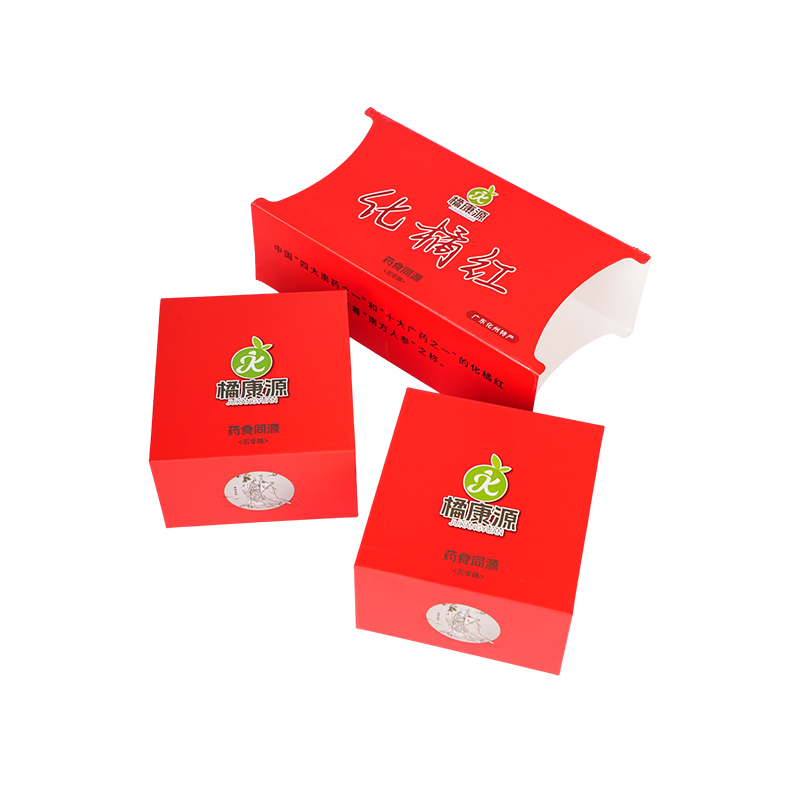
One common mistake when considering How Is Huajuhong Made is focusing only on drying. Drying is important, but raw material selection and cleaning come first. Poor-quality raw material cannot be fully corrected by later processing.
Another mistake is assuming that faster drying is always better. Drying conditions need to be suitable for the material and product specification. Excessive heat or poor airflow may affect appearance, texture, or aroma. How Is Huajuhong Made should therefore emphasize controlled drying rather than simply minimizing drying time.
A third mistake is ignoring storage after drying. Even well-dried Huajuhong can be affected by humid conditions if packaging is inadequate. Proper moisture protection is therefore part of the complete production process.
Consumers who purchase finished Huajuhong do not normally need to repeat the manufacturing process. However, understanding How Is Huajuhong Made can help them store the product correctly. Keep dried Huajuhong sealed in suitable packaging and store it in a clean, dry location away from direct sunlight, heat, moisture, and strong odors.
After opening, avoid repeatedly exposing the product to humid air. If the material develops visible mold, excessive moisture, or an unusual odor, it should not be consumed. Proper storage helps maintain the condition achieved during How Is Huajuhong Made.
How Is Huajuhong Made generally begins with suitable fresh pummelo material. The material is selected, cleaned, prepared, dried, graded, inspected, and packaged. The exact process varies according to whether the finished product is whole fruit, peel, slices, or another format.
How Is Huajuhong Made into dried herb mainly involves controlled moisture reduction. Fresh pummelo material is prepared and dried until it reaches an appropriate condition for storage and use. The dried material is then graded, inspected, and packaged.
How Is Huajuhong Made with natural drying traditionally involves exposing prepared material to suitable air and sunlight conditions. The exact drying time depends on weather, material thickness, moisture, and environmental conditions.
How Is Huajuhong Made with modern drying equipment can involve controlled temperature and airflow. This approach can make drying conditions more consistent, particularly for larger commercial production volumes.
How Is Huajuhong Made into slices involves preparing suitable peel or fruit material and cutting it into the required size and thickness before or during the drying process, depending on the production method.
How Is Huajuhong Made into an aged product involves proper initial drying followed by controlled storage over time. Age should not be considered separately from raw material quality, processing condition, packaging, and storage environment.
How Is Huajuhong Made for herbal tea generally emphasizes clean processing, appropriate drying, convenient slice sizes, consistent quality, and protective packaging. The finished dried material can be steeped directly in hot water.
How Is Huajuhong Made for wholesale requires consistent specifications, stable production procedures, suitable packaging, quality inspection, and reliable shipment preparation. Buyers should confirm quantity, format, age, packaging, and other requirements before ordering.
How Is Huajuhong Made? The answer begins with suitable fresh pummelo material and continues through cleaning, preparation, drying, grading, inspection, packaging, and storage. Every stage contributes to the quality and usability of the finished dried herb.
The transformation from fresh pummelo peel to dried Huajuhong is a practical example of how traditional botanical processing depends on careful handling. How Is Huajuhong Made is not simply a question about putting fresh peel in the sun. It involves raw material selection, controlled processing, appropriate drying, quality evaluation, and protection after production.
For consumers, understanding How Is Huajuhong Made makes it easier to select, brew, and store the product. For retailers and wholesale buyers, understanding How Is Huajuhong Made provides useful information for evaluating suppliers, product specifications, packaging, consistency, and commercial suitability.
Whether the final product is whole Huajuhong fruit, dried slices, an aged product, a herbal tea ingredient, or a premium gift package, the basic principle remains the same: start with suitable material, process it carefully, dry it appropriately, inspect it properly, and protect it from moisture and contamination after production. That is the practical foundation behind How Is Huajuhong Made from fresh pummelo peel to dried herb.
Copyright @ Xiangyun Platform Information Technology Co., Ltd All rights reserved Filing Number: CP Reserve123456789-1
Powered by Xiangyun Platform Technical Support: Xiangyun Platform Disclaimer Website Map | RSS | XML
사이트 맵이 웹사이트는 귀하가 당사 웹사이트에서 최상의 경험을 할 수 있도록 쿠키를 사용합니다.
 English
 Español
 Portugues
 Pусский
 Français
 Deutsch
 日本語
日本語 العربية
 Italiano
 ไทย
ไทย Indonesia
 Melayu
 Tiếng Việt
 中文
中文 Magyar
 မြန်မာ
 ພາສາລາວ
 Filipino
 ខ្មែរ
ខ្មែរ


논평
(0)