

How to Identify High-Quality Huajuhong and Dried Pomelo Peel
How to Identify High-Quality Huajuhong and Dried Pomelo Peel is an important question for consumers, tea businesses, retailers, gift buyers, and wholesale customers. Dried citrus products can look similar at first glance, but differences in raw material, processing, drying, storage, aroma, texture, and packaging can affect their overall quality. How to Identify High-Quality Huajuhong and Dried Pomelo Peel starts with learning what to look for before buying or using the product.
Huajuhong is a Traditional Citrus botanical associated with Huazhou, Guangdong, while Dried Pomelo Peel is a broader description that can refer to dried peel from different pomelo materials. How to Identify High-Quality Huajuhong and Dried Pomelo Peel therefore requires attention to both product identity and physical condition. A good evaluation should not depend on one visual feature alone.
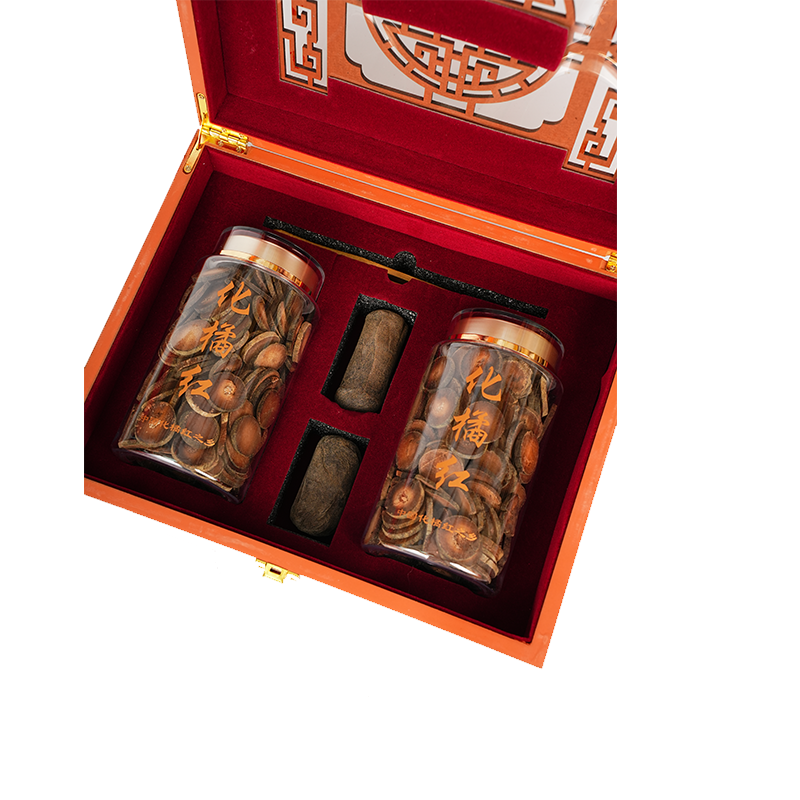
Learning How to Identify High-Quality Huajuhong and Dried Pomelo Peel can help buyers avoid confusing different dried citrus materials. A product may have a similar color or shape but come from a different botanical source or processing method. Understanding the product before purchase is especially important for businesses that need consistent material for herbal tea, retail products, gifting, or botanical applications.
How to Identify High-Quality Huajuhong and Dried Pomelo Peel also helps buyers evaluate storage condition. Even suitable raw material can lose quality if it is exposed to moisture, excessive heat, contamination, or unsuitable packaging. For this reason, appearance, aroma, texture, dryness, packaging, and origin should all be considered together.
For wholesale purchasing, How to Identify High-Quality Huajuhong and Dried Pomelo Peel is even more practical. A buyer needs to know whether different batches are reasonably consistent and whether the product matches the agreed specification. Sample evaluation before a larger order can make this process much easier.
Before discussing How to Identify High-Quality Huajuhong and Dried Pomelo Peel, it is useful to understand Huajuhong itself. Huajuhong is traditionally associated with Huazhou and a specific pomelo material used in traditional botanical practices. It can appear as whole fruit, thick peel pieces, slices, aged products, or other prepared forms.
High-quality Huajuhong should first be evaluated according to the product specification. How to Identify High-Quality Huajuhong and Dried Pomelo Peel does not mean that every good product must have exactly the same appearance. Different formats can naturally have different shapes, colors, textures, and sizes.
Instead, How to Identify High-Quality Huajuhong and Dried Pomelo Peel should focus on whether the material is clean, appropriately dried, properly processed, free from obvious contamination, and consistent with its stated product type.
Dried Pomelo Peel is a general dried citrus material made from pomelo peel. Different pomelo varieties can produce different colors, aromas, textures, thicknesses, and chemical profiles. Therefore, How to Identify High-Quality Huajuhong and Dried Pomelo Peel requires buyers to distinguish between a specific traditional Huajuhong product and general Dried Pomelo Peel.
Dried Pomelo Peel can be used in herbal tea, traditional botanical preparations, specialty food products, beverage blends, and other plant-based applications. The exact application depends on the raw material, processing method, product specifications, and market requirements.
When applying How to Identify High-Quality Huajuhong and Dried Pomelo Peel, buyers should ask what raw material was used, where it originated, how it was processed, how it was dried, and how it was stored. These questions provide more useful information than appearance alone.
Appearance is one of the easiest starting points when learning How to Identify High-Quality Huajuhong and Dried Pomelo Peel. A clean and properly processed product should have an appearance that is reasonably consistent with its stated format. Whole fruit, slices, and thick peel pieces naturally have different shapes, so comparison should always be made within the same product category.
When checking How to Identify High-Quality Huajuhong and Dried Pomelo Peel, look for obvious contamination, excessive dark spots, unusual surface growth, insect damage, or signs of poor storage. Small natural variations are not automatically a quality problem, but obvious deterioration should receive attention.
For sliced products, consistent size and thickness can indicate organized processing. For whole Huajuhong, an intact shape can be important when the product is intended for gifting or display. How to Identify High-Quality Huajuhong and Dried Pomelo Peel therefore depends partly on the intended use.
Color can provide useful information, but How to Identify High-Quality Huajuhong and Dried Pomelo Peel should never depend on color alone. Dried citrus products can naturally vary in color according to raw material, maturity, processing, drying conditions, and storage period.
A buyer should be cautious about products that show unusual discoloration, extensive blackening, or other signs that may indicate poor handling. However, natural changes in color during drying and aging do not automatically mean that a product is unsuitable.
When comparing samples, How to Identify High-Quality Huajuhong and Dried Pomelo Peel is more reliable when the samples are evaluated under similar lighting and storage conditions. Consistency within a batch is also useful for commercial buyers.
A natural citrus aroma is one of the most useful sensory indicators when learning How to Identify High-Quality Huajuhong and Dried Pomelo Peel. Properly processed dried citrus can retain a recognizable aromatic character, although the intensity may vary with product type, age, and storage.
When applying How to Identify High-Quality Huajuhong and Dried Pomelo Peel, open the package and observe the aroma carefully. A clean citrus scent is generally more desirable than an obvious musty, sour, chemical, smoky, or foreign odor.
For aged Huajuhong, aroma can become deeper or different from freshly dried material. Therefore, How to Identify High-Quality Huajuhong and Dried Pomelo Peel should consider the expected characteristics of the particular product instead of assuming that stronger aroma always means better quality.
Texture is another practical factor in How to Identify High-Quality Huajuhong and Dried Pomelo Peel. Properly dried material should have a texture appropriate to its format and drying condition. Slices should not feel excessively wet or sticky, while whole products should maintain their expected structure.
When evaluating How to Identify High-Quality Huajuhong and Dried Pomelo Peel, excessive softness or dampness can indicate that the product has absorbed moisture during storage. Very brittle material may also need to be evaluated carefully because texture depends on drying conditions and product age.
Commercial buyers should compare texture between samples rather than judging one piece in isolation. This makes How to Identify High-Quality Huajuhong and Dried Pomelo Peel more objective and useful for purchasing decisions.
Dryness is one of the most important points in How to Identify High-Quality Huajuhong and Dried Pomelo Peel. The purpose of drying is to reduce moisture and create a more stable dried material. If a product has absorbed excessive moisture, its storage condition may become less suitable.
When learning How to Identify High-Quality Huajuhong and Dried Pomelo Peel, buyers should inspect the product for visible moisture, unusual softness, condensation inside the package, or a damp smell. These signs deserve attention before purchase.
For wholesale orders, agreed moisture specifications and appropriate testing can provide a more objective evaluation. How to Identify High-Quality Huajuhong and Dried Pomelo Peel for commercial use should combine sensory inspection with suitable quality-control procedures.
Peel thickness can differ naturally between products, so How to Identify High-Quality Huajuhong and Dried Pomelo Peel should not assume that thicker automatically means better. The appropriate thickness depends on the raw material and intended product format.
For tea applications, slices with relatively consistent dimensions can be easier to portion and brew. For whole-fruit products, natural structural characteristics may be more important. How to Identify High-Quality Huajuhong and Dried Pomelo Peel should therefore always be connected with the product's intended purpose.
Clean processing is essential when learning How to Identify High-Quality Huajuhong and Dried Pomelo Peel. The finished material should be handled in a suitable production environment, with attention to cleaning, drying, sorting, inspection, and packaging.
Look for obvious foreign materials, excessive dust, insects, mold, or other visible contamination. How to Identify High-Quality Huajuhong and Dried Pomelo Peel is not only a question of color and aroma; cleanliness is a fundamental quality consideration.
For commercial buyers, information about the production process can be useful. A supplier should be able to explain the basic stages from raw material selection through packaging. This gives How to Identify High-Quality Huajuhong and Dried Pomelo Peel a stronger practical foundation.
Origin is particularly important when learning How to Identify High-Quality Huajuhong and Dried Pomelo Peel. Huajuhong is closely associated with Huazhou, Guangdong. Buyers interested specifically in Huajuhong should confirm the stated origin rather than assuming that all dried pomelo peel is Huajuhong.
How to Identify High-Quality Huajuhong and Dried Pomelo Peel should therefore include questions about where the raw material was grown, where it was processed, and what botanical material was used. Clear origin information can help buyers distinguish regional Huajuhong from generic Dried Pomelo Peel.
Origin does not automatically guarantee quality. A product from a recognized area can still be poorly processed or stored. How to Identify High-Quality Huajuhong and Dried Pomelo Peel requires origin information to be considered together with actual product condition.
Processing affects the final appearance and condition of dried citrus material. When learning How to Identify High-Quality Huajuhong and Dried Pomelo Peel, ask whether the product was cleaned, cut, dried, graded, inspected, and packed under controlled conditions.
Traditional and modern processing methods can both produce useful dried products when properly managed. How to Identify High-Quality Huajuhong and Dried Pomelo Peel should focus on whether the processing method is appropriate for the product specification rather than assuming that one processing method is always superior.
For commercial orders, a clear production specification is especially useful. It can define product form, size, age, packaging, inspection requirements, and other details. This helps buyers apply How to Identify High-Quality Huajuhong and Dried Pomelo Peel consistently across different batches.
Packaging is often overlooked when learning How to Identify High-Quality Huajuhong and Dried Pomelo Peel. However, packaging directly affects protection against moisture, contamination, physical damage, and foreign odors.
Look for sealed inner packaging, clean containers, intact cartons, and packaging that matches the product requirements. How to Identify High-Quality Huajuhong and Dried Pomelo Peel should include checking whether the package has been damaged or exposed to unsuitable storage conditions.
For retail products, jars, sachets, gift boxes, and other protective formats can improve convenience and presentation. For wholesale orders, moisture-resistant inner bags, cartons, and larger protective packages may be more practical.
Understanding the difference between the two products is central to How to Identify High-Quality Huajuhong and Dried Pomelo Peel. Huajuhong refers to a specific traditional citrus botanical associated with Huazhou, while Dried Pomelo Peel is a broader category that can include dried peel from different pomelo materials.
| Evaluation Point | Huajuhong | Dried Pomelo Peel |
|---|---|---|
| Product Identity | Traditional Huajuhong botanical | General dried pomelo peel category |
| Origin | Traditionally associated with Huazhou | Can come from different regions |
| Appearance | Varies by format and age | Varies by pomelo variety and processing |
| Aroma | Distinctive citrus character | Varies according to raw material |
| Applications | Traditional botanical use and tea | Tea, food, beverage, and botanical applications |
This comparison shows why How to Identify High-Quality Huajuhong and Dried Pomelo Peel cannot rely on appearance alone. Product identity, origin, processing, and documentation all matter.
For tea preparation, How to Identify High-Quality Huajuhong and Dried Pomelo Peel can focus on aroma, cleanliness, dryness, slice size, and brewing performance. A suitable tea ingredient should have a clean appearance and natural citrus character without obvious foreign odors.
Try a small sample before purchasing a larger quantity. Observe how the product smells when dry and how the aroma develops after hot water is added. How to Identify High-Quality Huajuhong and Dried Pomelo Peel through sample brewing can provide information that photographs cannot provide.
Slice size is also useful. Consistent slices can make portioning easier and provide more predictable brewing. For tea businesses, this can be particularly important when developing standardized blends or retail products.
When the product is intended for gifting, How to Identify High-Quality Huajuhong and Dried Pomelo Peel should include both product quality and presentation. Whole Huajuhong fruit, aged products, decorative jars, and premium gift boxes may be appropriate for this market.
Check whether the product is clean, intact, properly sealed, and attractively presented. Packaging should also protect the dried material during transportation. How to Identify High-Quality Huajuhong and Dried Pomelo Peel for gifting means looking at the complete package rather than only the botanical material.
Wholesale buyers need a more systematic approach to How to Identify High-Quality Huajuhong and Dried Pomelo Peel. A sample should be checked for appearance, aroma, dryness, texture, product form, packaging, and consistency.
Buyers should also confirm product age when age is part of the specification. If a product is described as aged Huajuhong, the supplier should provide clear information about the stated aging period and storage conditions. How to Identify High-Quality Huajuhong and Dried Pomelo Peel becomes easier when specifications are documented.
For repeat orders, buyers can compare new batches with approved samples. This provides a practical benchmark for appearance, slice size, aroma, dryness, packaging, and other characteristics.
Storage is an important part of How to Identify High-Quality Huajuhong and Dried Pomelo Peel because a good product can deteriorate if stored improperly. Dried citrus should generally be protected from moisture, direct sunlight, excessive heat, contamination, and strong odors.
Moisture is especially important. When dried peel absorbs moisture, texture and storage stability can change. When applying How to Identify High-Quality Huajuhong and Dried Pomelo Peel, inspect both the product and its packaging for signs of moisture exposure.
A sealed package should be stored in a clean and dry environment. After opening, reseal the product as soon as possible. These simple practices help preserve the condition established during processing.
How to Identify High-Quality Huajuhong and Dried Pomelo Peel also means knowing what warning signs to avoid. Visible mold is an obvious concern. Excessive moisture, unusual odors, insect contamination, damaged packaging, and unexplained deterioration should also be investigated.
Another issue is inconsistent product identity. A seller may describe a material broadly as dried citrus without clearly identifying the botanical source. Buyers specifically seeking Huajuhong should request clear product information. This is an essential point in How to Identify High-Quality Huajuhong and Dried Pomelo Peel.
Extremely attractive color should not automatically be treated as evidence of quality. Natural dried citrus can vary in appearance. How to Identify High-Quality Huajuhong and Dried Pomelo Peel should prioritize clean processing, suitable dryness, natural aroma, origin, and product consistency.
For everyday purchasing, How to Identify High-Quality Huajuhong and Dried Pomelo Peel can be simplified into a practical checklist.
| Check | What to Look For |
|---|---|
| Identity | Clearly stated Huajuhong or Dried Pomelo Peel |
| Origin | Clear and traceable production information |
| Appearance | Clean and suitable for the stated format |
| Aroma | Natural citrus character without foreign odors |
| Texture | Appropriate dried texture without excessive dampness |
| Dryness | No obvious moisture or condensation |
| Packaging | Sealed, clean, and moisture-resistant |
| Storage | Protected from moisture, heat, and contamination |
How to Identify High-Quality Huajuhong and Dried Pomelo Peel quickly by checking identity, origin, appearance, aroma, texture, dryness, packaging, and storage condition. No single feature should determine the final judgment.
How to Identify High-Quality Huajuhong and Dried Pomelo Peel by aroma starts with looking for a clean, natural citrus character. Strong musty, chemical, smoky, or unusual odors should receive attention.
How to Identify High-Quality Huajuhong and Dried Pomelo Peel by color requires comparison with similar products because natural color varies with raw material, drying, and aging. Unusual discoloration should be investigated.
How to Identify High-Quality Huajuhong and Dried Pomelo Peel by texture involves checking whether the material has an appropriate dried condition. Excessive dampness, stickiness, or unusual softness can indicate storage concerns.
How to Identify High-Quality Huajuhong and Dried Pomelo Peel by origin requires clear information about the raw material and production area. Huajuhong is traditionally associated with Huazhou, Guangdong.
No. Dried Pomelo Peel is a broad category, while Huajuhong refers to a specific traditional citrus botanical associated with Huazhou. How to Identify High-Quality Huajuhong and Dried Pomelo Peel therefore requires checking product identity and origin.
No. Color alone cannot determine quality. How to Identify High-Quality Huajuhong and Dried Pomelo Peel should consider aroma, dryness, cleanliness, texture, origin, processing, storage, and the stated product specification.
For wholesale purchasing, sample evaluation is a practical approach. How to Identify High-Quality Huajuhong and Dried Pomelo Peel is easier when buyers can inspect the actual product before confirming a larger order.
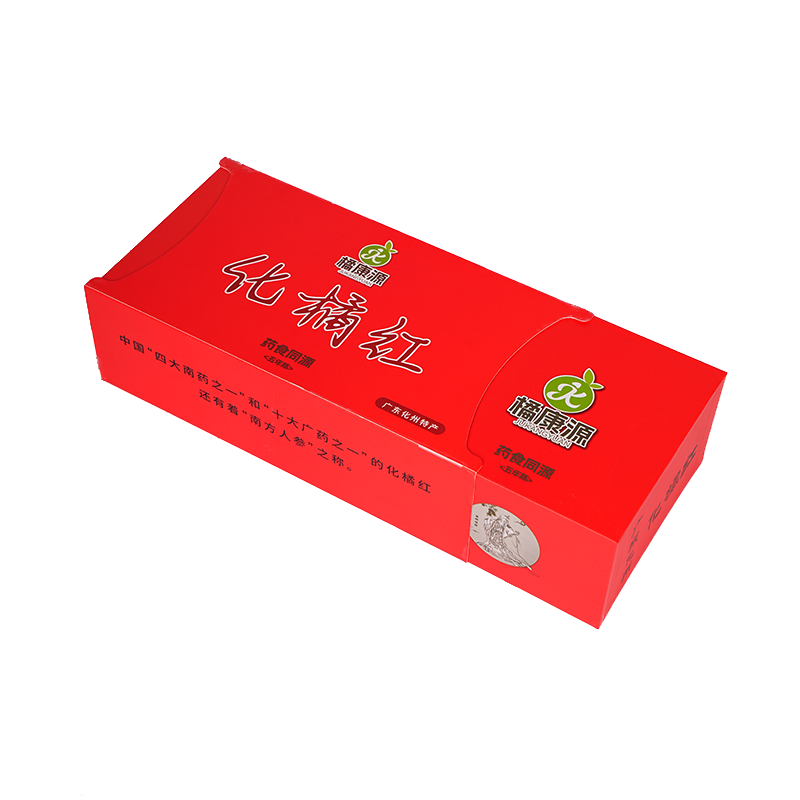
How to Identify High-Quality Huajuhong and Dried Pomelo Peel is ultimately about evaluating the complete product rather than relying on one attractive feature. Appearance matters, but so do aroma, texture, dryness, cleanliness, origin, processing, packaging, and storage.
Huajuhong and Dried Pomelo Peel can have similar appearances, but they are not necessarily the same product. How to Identify High-Quality Huajuhong and Dried Pomelo Peel requires buyers to understand product identity and ask where the material came from, how it was processed, and how it was stored.
For consumers, a simple inspection of aroma, appearance, dryness, packaging, and storage can provide a useful first evaluation. For retailers and wholesale buyers, sample testing and agreed specifications provide a stronger purchasing framework. How to Identify High-Quality Huajuhong and Dried Pomelo Peel becomes especially valuable when buying larger quantities or developing commercial tea and botanical products.
The most practical approach is straightforward: confirm the product identity, check the origin, inspect the appearance, smell the product, evaluate the texture and dryness, examine the packaging, and ask about processing and storage. By following these steps, buyers can make more informed decisions when selecting Huajuhong and Dried Pomelo Peel for herbal tea, traditional botanical applications, retail, gifting, and wholesale use.
Copyright @ Xiangyun Platform Information Technology Co., Ltd All rights reserved Filing Number: CP Reserve123456789-1
Powered by Xiangyun Platform Technical Support: Xiangyun Platform Disclaimer Website Map | RSS | XML
사이트 맵이 웹사이트는 귀하가 당사 웹사이트에서 최상의 경험을 할 수 있도록 쿠키를 사용합니다.
 English
 Español
 Portugues
 Pусский
 Français
 Deutsch
 日本語
日本語 العربية
 Italiano
 ไทย
ไทย Indonesia
 Melayu
 Tiếng Việt
 中文
中文 Magyar
 မြန်မာ
 ພາສາລາວ
 Filipino
 ខ្មែរ
ខ្មែរ


논평
(0)